How to Support Senior Dog Health Naturally
Last reviewed: October 2026
Short answer: The most effective ways to support a senior dog are simple and daily: keep them lean, keep them moving with shorter and more frequent walks, make the home easier to navigate, keep their mind engaged, and see the vet about every six months. Many families also add daily supplements for joint comfort and overall wellness.

Not sure if your dog counts as a senior yet? It depends on size. See when a dog is considered a senior.
1. Keep them moving, gently
Daily movement maintains muscle, and muscle supports aging joints. Two or three shorter walks usually work better than one long one. Swimming, sniff walks, and slow hill walks are easy on joints. Watch for signs your dog is overdoing it, such as lagging behind or stiffness the next day.
2. Manage weight carefully
Extra weight adds load to the hips, knees, and elbows, and it is one of the most controllable factors in how comfortably an older dog moves. Ask your vet whether a senior or weight-management diet makes sense, and measure meals and treats.
3. Support digestion and appetite
Older dogs can have more sensitive stomachs. Consistent meal times, a diet suited to their age, and gradual food changes help. If your dog's appetite or thirst changes suddenly, call your vet.
4. Make the home easier
- Non-slip rugs on hard floors
- A supportive orthopedic bed
- Ramps or steps for the car and furniture
- Food and water where your dog does not need to climb stairs
5. Keep their mind engaged
Food puzzles, scent games, short training sessions, and new walking routes keep senior dogs mentally sharp and interested. A little novelty every day goes a long way.
6. Add daily support
Many families add supplements in the senior years. A hip and joint chew with ingredients like glucosamine, chondroitin, green-lipped mussel, and boswellia supports mobility and joint comfort. A daily multivitamin supports overall wellness, immune health, and energy as dogs age. Introduce one at a time and check with your vet if your dog takes medication. Here is how to give a multivitamin and joint supplement together.
7. See the vet more often
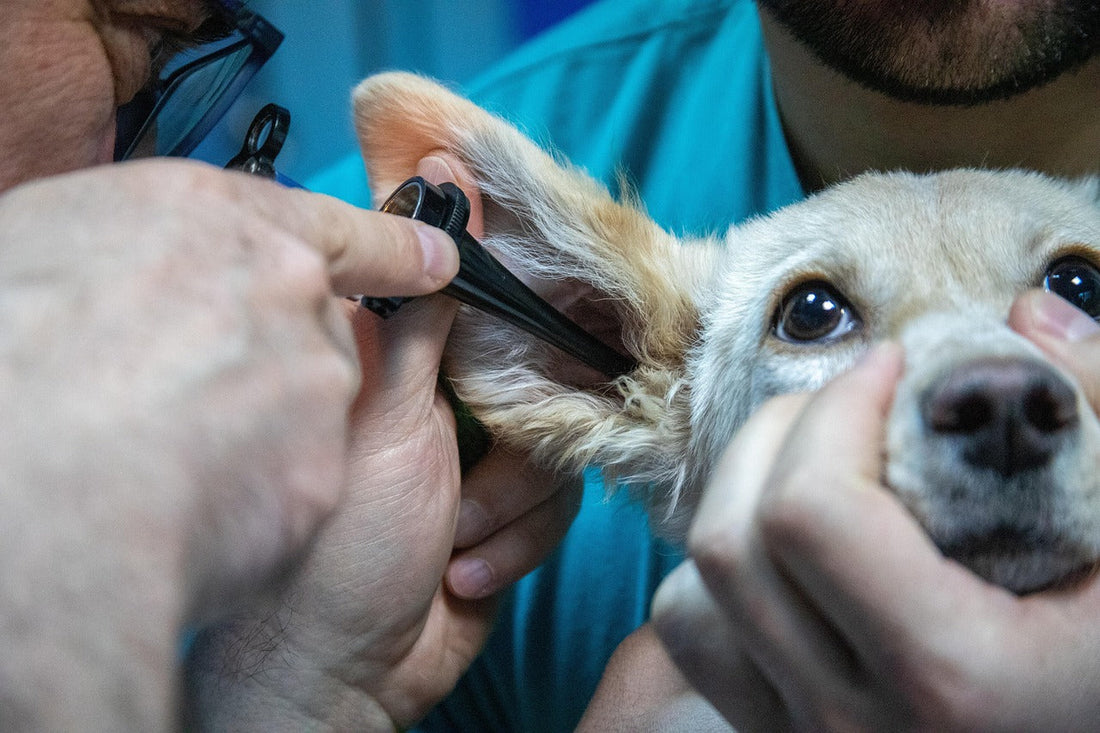
Many veterinarians recommend checkups about every six months for senior dogs, often with bloodwork. Changes are easier to manage when they are caught early.
The bigger picture
Supporting a senior dog is not about fighting age. It is about keeping the ordinary good days coming: the walks, the greeting at the door, the afternoons in the sun. That is what we mean by more life together.
Related reading: When to start a joint supplement, Signs your dog might need a supplement, and Do dog multivitamins really work?
Frequently asked questions
How much exercise does a senior dog need?
It varies by dog, but most do best with shorter, more frequent walks every day. Ask your vet what is right for your dog.
What are the best supplements for senior dogs?
Many owners choose a joint supplement for mobility and a daily multivitamin for overall wellness. Talk to your vet about your dog's specific needs.
How often should a senior dog go to the vet?
Many veterinarians recommend about every six months.
This article is general information, not veterinary advice. Talk with your veterinarian about your dog's specific needs. Furevery supplements are not intended to diagnose, treat, cure, or prevent any disease.